

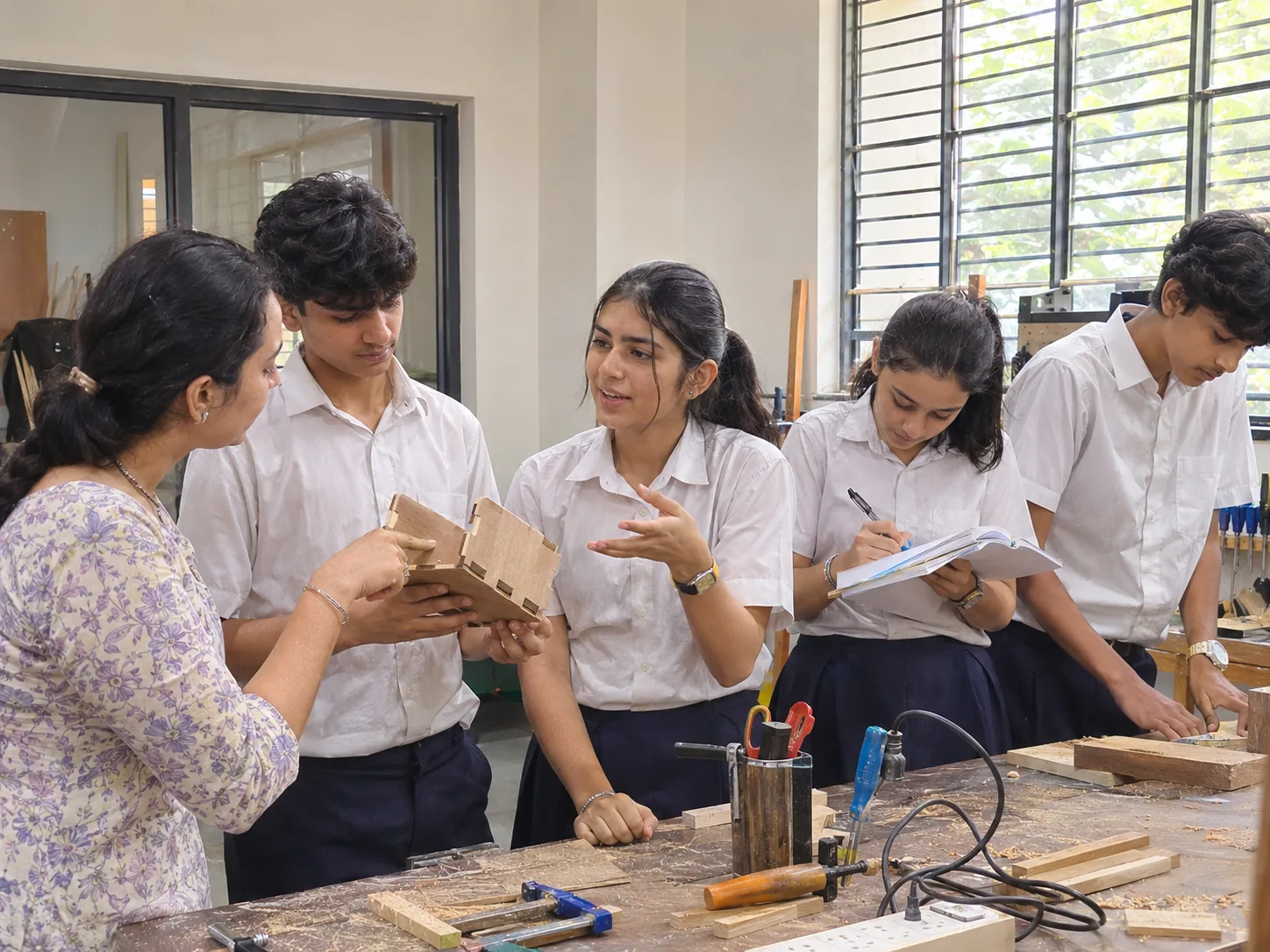
School gives young people important foundations: knowledge, habits of inquiry and the chance to learn with others. A further question is how students can use those foundations when a situation is unfamiliar and there is no single answer at the back of the book.
Real-world learning creates a space to practise. A case study can ask learners to understand a problem, compare possible choices and explain their reasoning. A team challenge can help them listen, share responsibilities and revise an idea after feedback. These experiences do not replace academic learning; they give students another way to connect knowledge with action.
At SkilliZee, the approach described in the project brief includes case-based learning, virtual internships, industry-led masterclasses, real-world challenges and entrepreneurial projects. The common thread is participation: learners get to explore a question, make decisions and reflect on what happened.
A useful starting point for a school or family is small. Invite a student to plan a class activity, interview someone about their work, improve a familiar process or present a solution to a community need. Then make time to discuss what they noticed, what they would change and which skills they used.
The aim is not to rush children into adulthood. It is to give them age-appropriate chances to practise curiosity, communication and problem-solving while they are still learning, with guidance and room to try again.